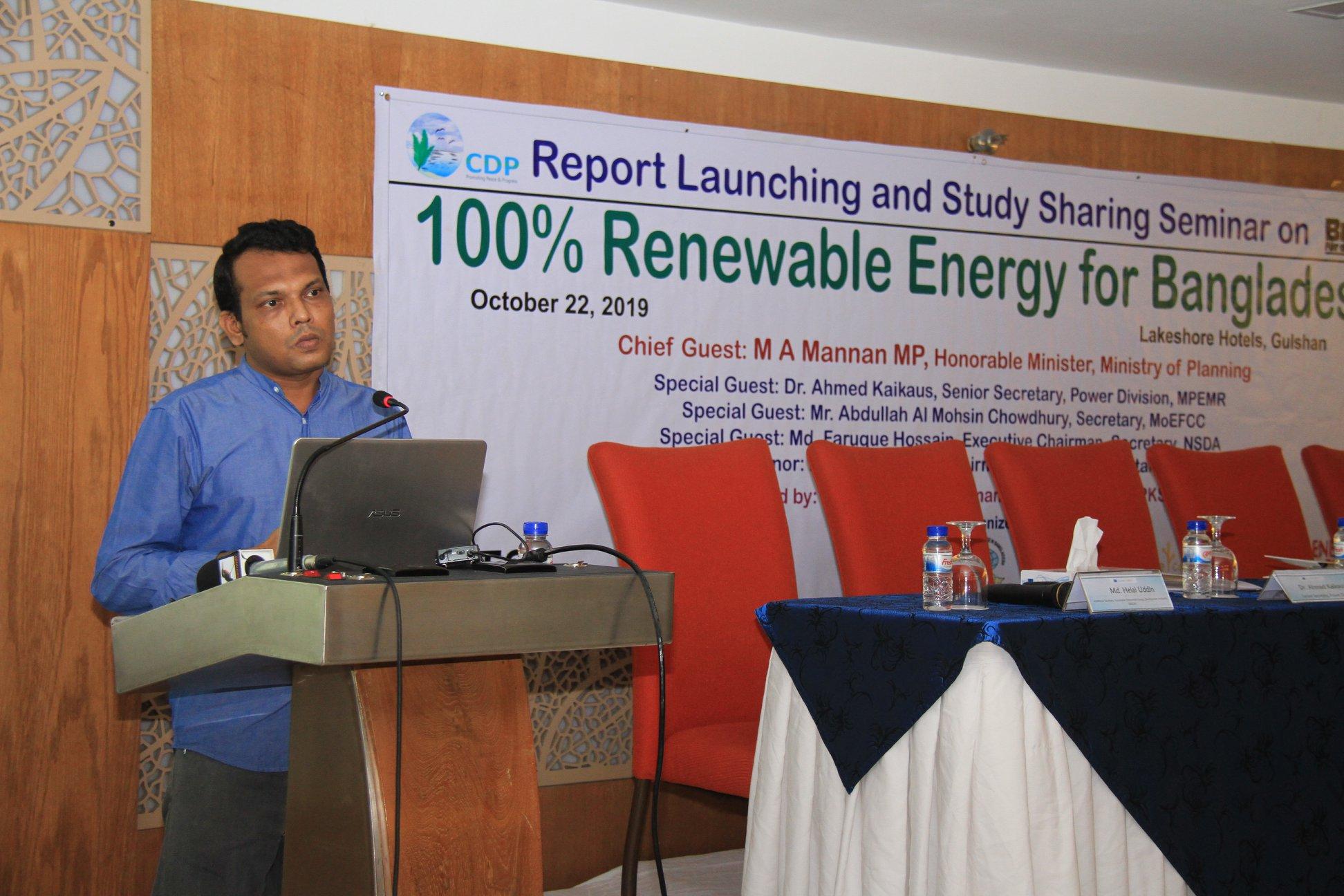
The Intervention: Redefining how infrastructure and
capital absorb environmental stress. Risk is currently treated as an
external anomaly; we mandate that it becomes the baseline for all planning. We
rewire public investment frameworks so that capital is legally bound to
physical exposure. Resilience is not achieved by building heavier concrete; it
is achieved when the budgetary response moves faster than the hazard.
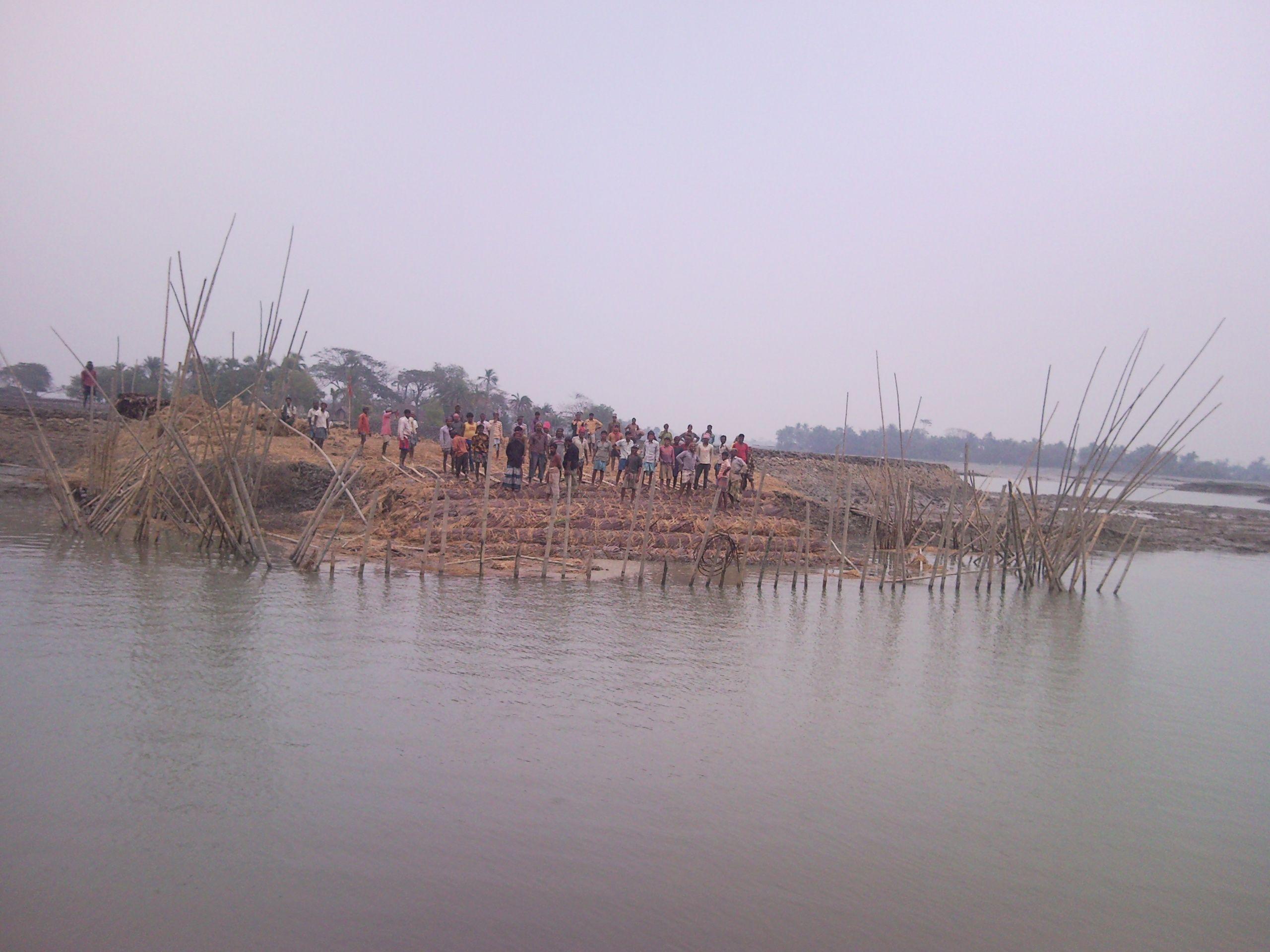
The Intervention: Shifting decision authority to the
coordinates of exposure. Vulnerability is engineered when decisions are
made by institutions insulated from the consequences. We reconstruct
administrative workflows to push legal authority and fiscal control downward to
the localized nodes—ensuring those who bear the physical risk possess the
institutional power to manage it.
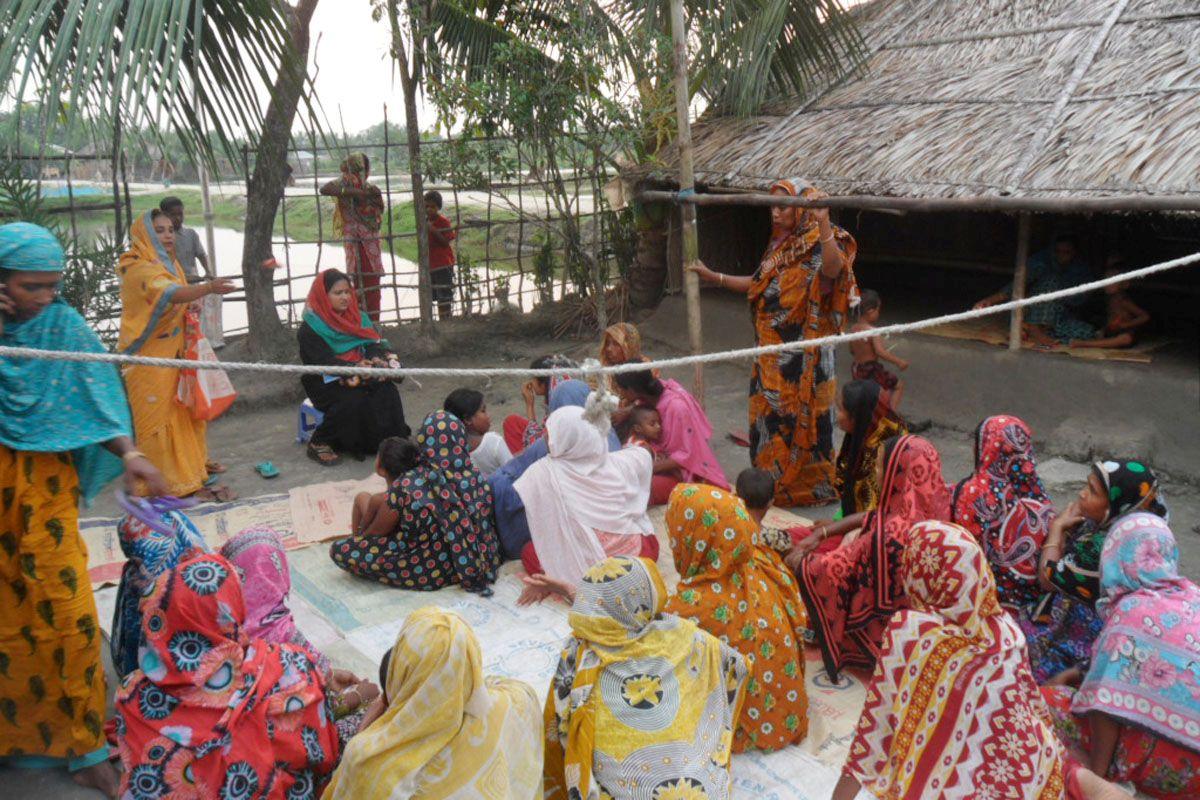
The Intervention: Ensuring new energy models do not
replicate old extractive systems. We treat energy not just as a technology,
but as a mechanism of ownership. A transition is only secure if it democratizes
power—both electrical and economic. We align policies to ensure decentralized,
scalable technologies (such as localized solar infrastructure or off-grid
thermal systems) are owned, managed, and maintained by the rural and coastal
communities that rely on them, breaking reliance on extractive monopolies.
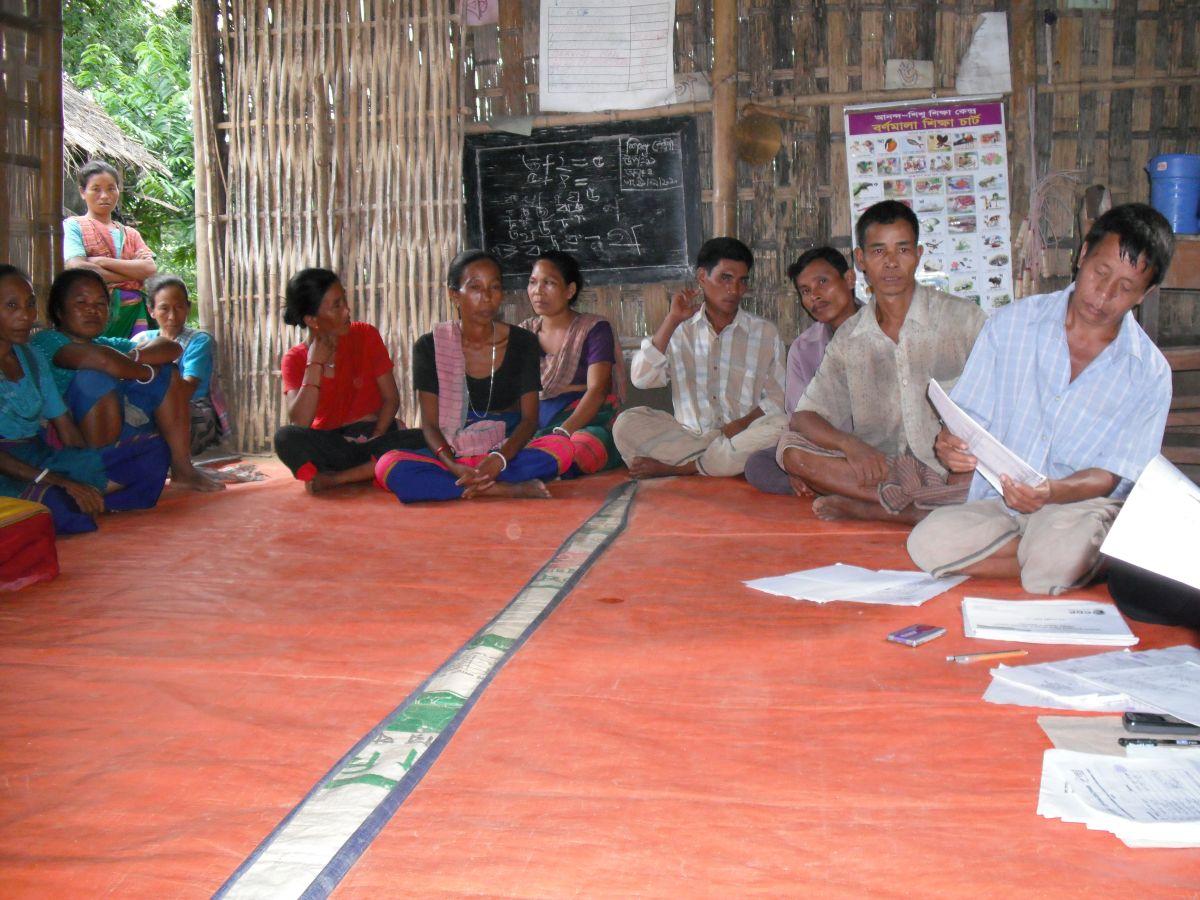
The Intervention: Establishing human security as the
empirical baseline for accountability. We reject event-based accounting
that only measures destroyed physical assets. We integrate human security
tracking into formal state systems. If a household must liquidate its assets,
pull a child from school, or compromise its nutrition to survive a shock, we
classify that as a systemic Loss & Damage event—and we engineer the fiscal
mechanisms required to prevent it.